

Interior Design
Interior design is the art and science of enhancing the interior of a space to create a comfortable, functional, and visually appealing environment. It plays a vital role in shaping how people feel and interact within a space, whether it is a home, office, commercial building, or hospitality area. A well-designed interior not only improves aesthetics but also increases efficiency and overall quality of life.
The foundation of interior design begins with proper space planning. Designers carefully analyze the available area and plan the placement of furniture, walkways, and functional zones. Effective space planning ensures smooth movement, optimal usage of space, and a clutter-free environment. Even small spaces can appear larger and more organized when designed thoughtfully.
Color selection is another crucial element in interior design. Colors influence mood, perception, and atmosphere. Light and neutral shades such as white, beige, and pastel tones make spaces feel open, bright, and calm. Darker shades add depth and a sense of luxury when used correctly. Interior designers balance wall colors, furniture finishes, and decorative elements to achieve harmony throughout the space.
Lighting significantly enhances interior design. Natural light is always preferred, as it creates a healthy and welcoming environment. Artificial lighting, including ceiling lights, spotlights, and accent lighting, adds depth and highlights architectural features. Proper lighting can transform a simple room into an elegant and inviting space.
Furniture selection contributes greatly to both comfort and style. Choosing the right furniture involves considering size, functionality, material, and design. Modern interior design often includes custom or modular furniture, which maximizes storage while maintaining a clean and contemporary look. Well-chosen furniture improves usability and complements the overall theme.
Materials and finishes are equally important. Wood, glass, metal, tiles, and stone are commonly used based on durability, budget, and design preference. Quality materials ensure longevity and reduce maintenance costs in the long run.
Decorative elements such as artwork, mirrors, plants, rugs, and accessories provide the final touch. These details enhance personality and bring life to the interior. Overall, interior design is a perfect blend of beauty, functionality, and comfort that transforms ordinary spaces into meaningful experiences.
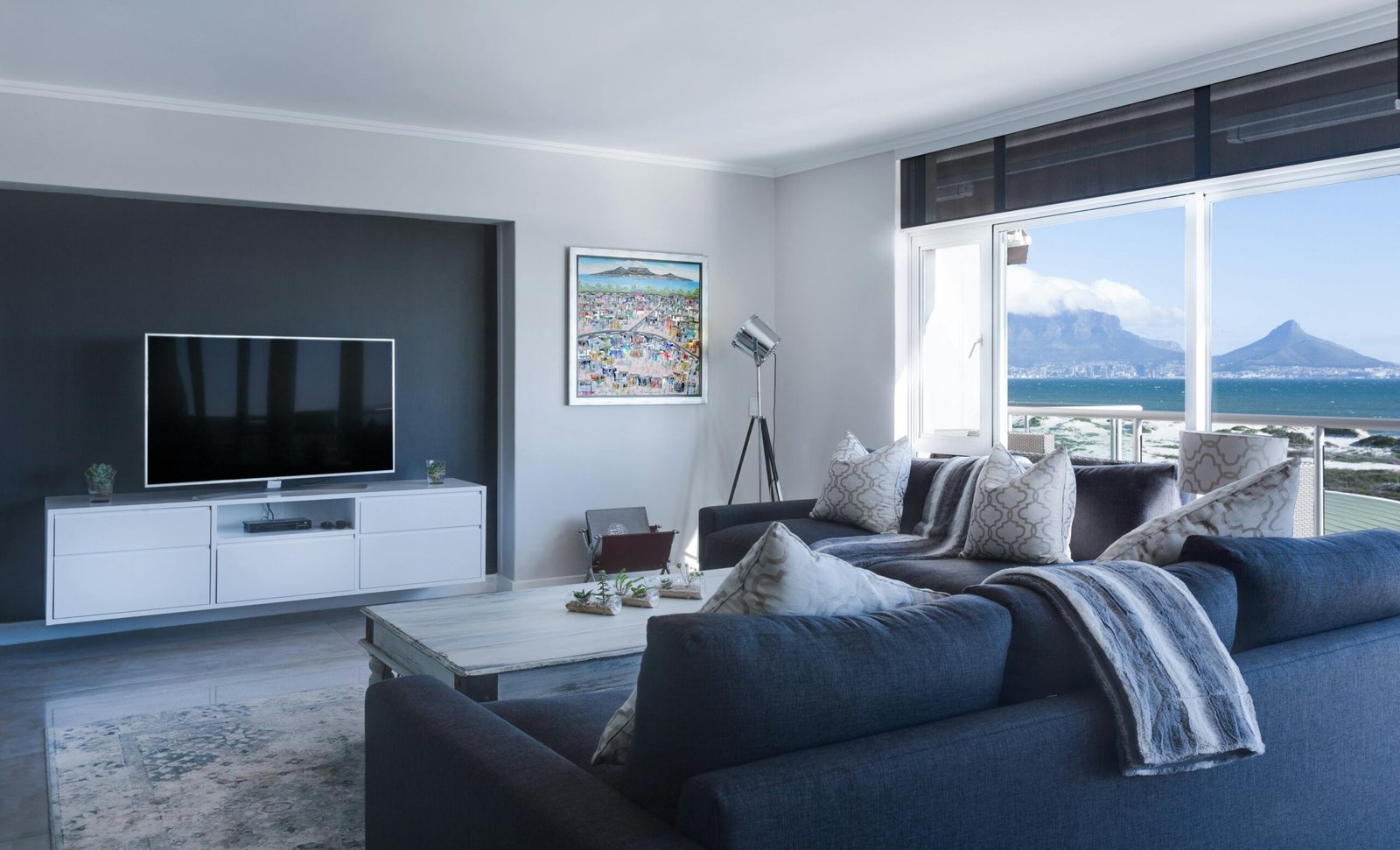
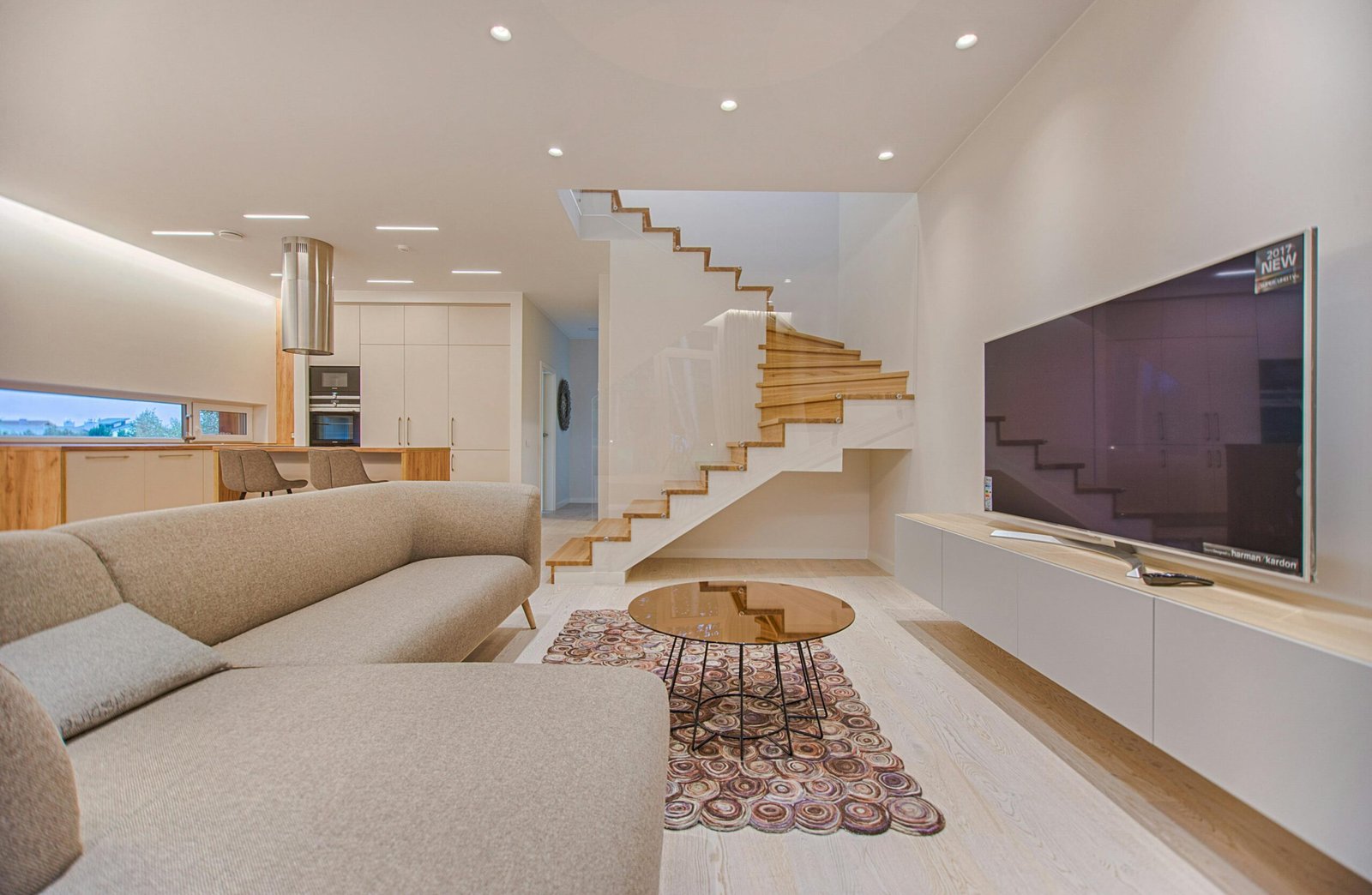
Interior design is the art and science of enhancing the interior of a space to make it functional, comfortable, and visually appealing. It focuses on creating well-planned environments that improve the quality of life and reflect the personality of the people using the space. Interior design is applied to homes, offices, commercial buildings, hotels, and retail spaces.
One of the key aspects of interior design is space planning. Proper planning ensures efficient use of available space, smooth movement, and a clutter-free layout. Thoughtful space planning helps even small areas feel open and organized. Color selection also plays an important role, as colors influence mood and atmosphere. Light and neutral colors create a calm and spacious feel, while darker tones add depth and elegance when balanced correctly.
Lighting is another essential element of interior design. Natural light enhances comfort and energy, while artificial lighting such as ceiling lights and accent lighting highlights design features. Furniture selection adds both comfort and functionality. Choosing the right furniture improves usability and complements the overall design theme.
Materials, finishes, and decorative elements like artwork, mirrors, and indoor plants complete the interior. Overall, interior design combines aesthetics, comfort, and practicality to create inspiring and meaningful spaces.